
The National Elder Fraud Hotline: A Critical Resource for Victims and Families
Financial fraud targeting older adults is rising at an alarming rate across the United States. Scammers often target seniors because they are more likely to have retirement savings, home equity, or long-term investment accounts. These crimes can cause devastating financial losses and emotional trauma — not just for victims, but for their families as well.
One of the most important resources available to combat this growing threat is the National Elder Fraud Hotline. Many families and victims are unaware that this specialized support system exists, yet it can be a crucial first step toward recovery and protection.

What Is the National Elder Fraud Hotline?
The National Elder Fraud Hotline is a free service created by the U.S. Department of Justice to help individuals aged 60 and older who have been targeted by financial scams or fraud schemes.
📞 Phone: 833-FRAUD-11 (833-372-8311)🕒 Hours: Monday through Friday, 10 AM – 6 PM Eastern Time💰 Cost: Completely free
Unlike general fraud reporting systems, this hotline connects callers with trained case managers who specialize in elder fraud cases.
How the Hotline Helps Victims
Calling the hotline does far more than simply documenting a complaint. Victims are connected with professionals who provide step-by-step assistance tailored to their situation.
Case managers may help victims:
✔ Understand What Happened
Fraud schemes can be complex and confusing, especially when cryptocurrency, investment platforms, or online impersonation scams are involved. Hotline specialists help victims identify the type of fraud they experienced.
✔ File Reports With the Correct Agencies
Many victims do not know where to report fraud or may feel overwhelmed by the process. Hotline staff help coordinate reporting with agencies such as:
Federal law enforcement
Consumer protection agencies
State or local authorities
Adult Protective Services when exploitation or vulnerability is involved
✔ Identify Protective and Recovery Steps
While financial recovery is not always guaranteed, early reporting significantly improves the chances of freezing funds, documenting evidence, and preventing additional losses.
✔ Connect Victims With Support Services
Fraud often causes emotional distress, shame, and anxiety. The hotline can connect victims with counseling resources and victim support organizations.
Why Elder Fraud Is Increasing
Scammers continuously adapt their tactics to target older adults. Some of the most common elder fraud schemes include:
Cryptocurrency investment scams
Romance scams
Tech support scams
Government impersonation fraud
Sweepstakes and lottery scams
Financial exploitation by caregivers or acquaintances
Many of these scams rely heavily on trust and emotional manipulation. Victims are often instructed not to tell family members or financial institutions, which allows scams to continue longer.
When Families Should Call
Family members often recognize warning signs before victims realize they are being scammed. You should strongly consider contacting the hotline if you notice:
Sudden or unusual financial transfers
Secretive behavior regarding finances
Requests to convert funds into cryptocurrency or gift cards
New online relationships requesting money
Pressure to act quickly or keep transactions confidential
Early intervention can prevent further losses and help preserve evidence.
The Importance of Reporting Quickly
Time is one of the most critical factors in fraud investigations. The sooner a case is reported:
Financial institutions may be able to freeze or trace funds
Law enforcement can begin evidence collection
Additional victims may be prevented
Digital transaction trails remain easier to follow
Even if significant time has passed, reporting still helps authorities identify patterns and potentially link cases to larger criminal organizations.
How the Hotline Fits Into the Larger Recovery Process
The National Elder Fraud Hotline is often the best starting point for victims, but it is usually part of a broader response strategy that may include:
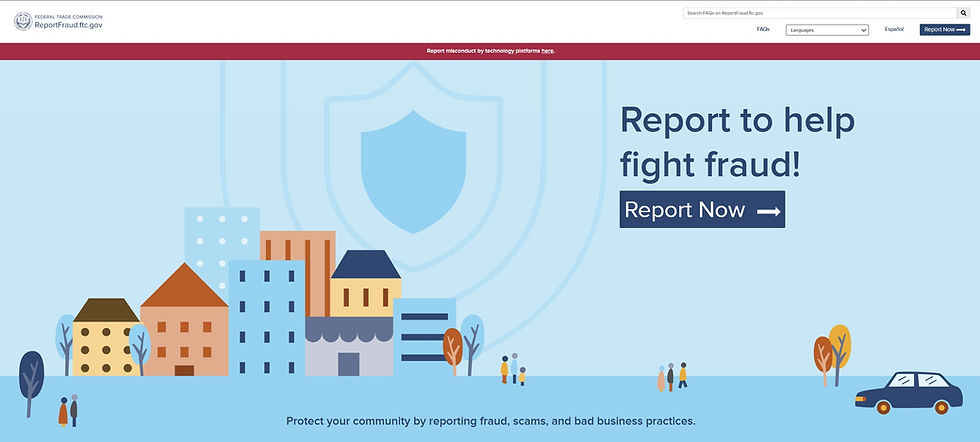
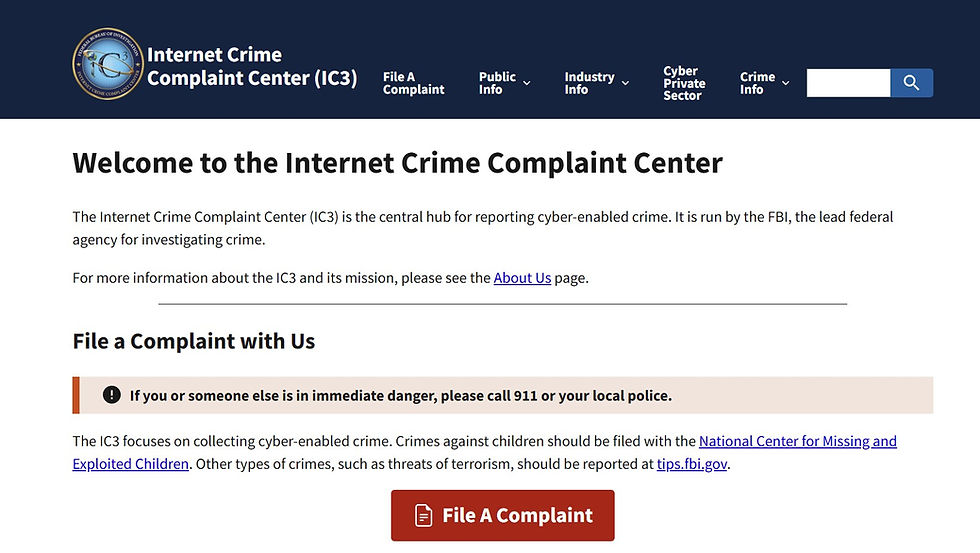
Filing reports with federal cybercrime agencies
Notifying financial institutions and exchanges
Documenting blockchain or financial transaction trails
Working with forensic investigators when cryptocurrency is involved
Seeking legal advice when appropriate
A Message to Victims and Families
Fraud victims often experience embarrassment or guilt, which can prevent them from seeking help. It is important to understand that modern fraud schemes are highly sophisticated and professionally organized. Anyone can become a target.
Seeking help is not a sign of weakness — it is a critical step toward protection and recovery.
How Go-Crypto Supports Elder Fraud Victims
At Go-Crypto, we frequently assist individuals and families impacted by cryptocurrency scams. Our mission is to provide education, investigative support, and guidance to victims who may not know where to begin.
We strongly encourage victims to contact the National Elder Fraud Hotline as part of their recovery process. Early reporting combined with forensic documentation can significantly improve investigative outcomes.
Call to Action
If you or a loved one over the age of 60 has been targeted by financial fraud, consider contacting the National Elder Fraud Hotline:
📞 833-372-8311
Taking action quickly can protect assets, preserve evidence, and open the door to support services.
Educating. Investigating. Protecting Digital Assets.— Go-Crypto
Frequently Asked Questions About the National Elder Fraud Hotline
Who can call the National Elder Fraud Hotline?
The hotline is designed for individuals age 60 or older who have been victims of financial fraud or scams. Family members, caregivers, and professionals may also call on behalf of an older adult if they suspect fraud or exploitation.
What types of scams does the hotline help with?
The hotline assists victims of many types of financial fraud, including:
Cryptocurrency investment scams
Romance and relationship scams
Tech support scams
Government impersonation scams
Lottery or sweepstakes fraud
Identity theft
Financial exploitation by caregivers, acquaintances, or family members
If you are unsure whether an incident qualifies as fraud, hotline specialists can help evaluate the situation.
Is calling the hotline free?
Yes. The National Elder Fraud Hotline is completely free and confidential. Victims are not required to pay for assistance or case management services.
Will calling the hotline guarantee money recovery?
Unfortunately, no organization can guarantee recovery of stolen funds. However, contacting the hotline quickly can significantly improve the chances of:
Preserving evidence
Coordinating law enforcement reporting
Identifying possible fund recovery opportunities
Preventing additional financial losses
Early reporting is one of the most important steps victims can take.
What information should someone prepare before calling?
While not required, it helps to gather:
Dates of transactions or communications
Amounts lost
Names or usernames used by the suspected scammer
Wallet addresses or transaction IDs (for cryptocurrency cases)
Screenshots, emails, or text messages related to the fraud
Even if this information is incomplete, victims should still call. Case managers can help guide documentation later.
Can family members report fraud if the victim is embarrassed or hesitant?
Yes. Family members and caregivers are encouraged to call if they suspect fraud. Many elder fraud victims feel shame or fear judgment, which can delay reporting. Early intervention by loved ones can prevent further losses.
Does the hotline report cases directly to law enforcement?
The hotline helps coordinate reporting and connects victims with the appropriate agencies, which may include federal, state, or local law enforcement. Case managers help ensure reports are directed to the correct investigative authorities.
What happens after someone calls the hotline?
Victims are typically connected with a trained case manager who will:
Listen to the victim’s situation
Help identify the type of fraud
Provide reporting guidance
Recommend protective financial steps
Connect victims with support services
Each case is handled individually based on the victim’s needs.
Can the hotline help with cryptocurrency scams?
Yes. Cryptocurrency scams are one of the fastest growing forms of elder fraud. While the hotline does not perform forensic blockchain tracing, it helps victims:
File official reports
Understand next investigative steps
Connect with agencies experienced in digital asset fraud
When should someone call instead of contacting police directly?
The hotline is often the best starting point when fraud has already occurred. However, victims should contact emergency services or local law enforcement immediately if:
The victim is being threatened
There is active coercion or intimidation
Physical safety is at risk
Theft is currently in progress
Can fraud still be reported if it happened months ago?
Yes. Fraud should be reported regardless of when it occurred. Older cases may still:
Help investigators identify criminal networks
Support broader enforcement efforts
Provide documentation for financial or legal claims
Help prevent future victimization
How can Go-Crypto help alongside the hotline?
Go-Crypto provides education and investigative support for cryptocurrency fraud victims. While the National Elder Fraud Hotline helps coordinate reporting and victim support services, Go-Crypto can assist with:
Blockchain transaction tracing
Documentation support for investigations
Victim education and prevention guidance
If you or a loved one may have experienced elder financial fraud, early action can make a significant difference.
📞 National Elder Fraud Hotline: 833-372-8311

Comments