
Scammed With Cryptocurrency? What to Do in the First 24 Hours After a Crypto Scam
Discovering that you may have lost cryptocurrency to a scam can feel overwhelming. Many victims describe shock, confusion, anger, or embarrassment—and unfortunately, scammers rely on that emotional moment to extract even more money.
This guide exists for one reason: to help you protect yourself in the critical first 24 hours after a crypto scam. What you do immediately can significantly affect your ability to stop further losses, preserve evidence, and support potential recovery or legal action.
Take a breath. Start here.
Why the First 24 Hours Matter After a Crypto Scam
Crypto scams—especially romance scams, investment fraud, and so-called “pig-butchering” schemes—are highly organized and professional. Once funds move, they are often routed through multiple wallets, bridges, and exchanges very quickly.
That said, early action matters. Funds are sometimes dormant. Exchanges can cooperate. Evidence can be preserved. But delays make everything harder.
Step 1: Stop the Bleeding (Immediately)
The most important thing you can do is stop engaging.
Stop all communication with the person or group involved
Do not confront them or warn them
Do not send additional funds for:
“Taxes”
“Unlocking withdrawals”
“Verification fees”
“Recovery services”
🚩 Any request for more money is part of the scam—even if it sounds official or urgent.
Step 2: Secure What You Still Have (Within Hours)
If you still control any crypto or accounts:
Move remaining funds to a new, clean wallet
Do not reuse old recovery phrases or passwords
Enable two-factor authentication (2FA) everywhere
Change passwords for:
Email
Exchanges
Social media
If you heavily used a phone or computer during the scam, consider a malware scan or professional device check.

Step 3: Preserve Evidence (Before Anything Disappears)
Evidence is critical—even if you don’t know what to do with it yet.
Save everything, including:
Chat logs and screenshots
Voice notes, call logs, or video calls
Wallet addresses you sent funds to
Transaction IDs (hashes)
Dates, times, amounts, and blockchains
Usernames, phone numbers, emails, and profile links
📌 Do not edit or delete files. Original records matter.
Step 4: Report Quickly and Safely
Even if recovery feels uncertain, reporting matters.
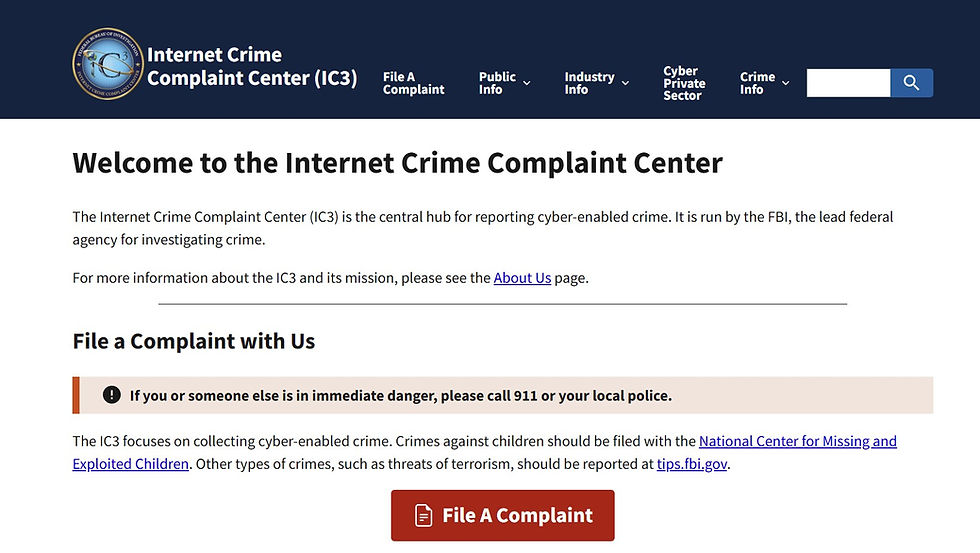
United States: File a report with the FBI’s Internet Crime Complaint Center (IC3)
Outside the U.S.: Report to your national cybercrime authority
Notify any crypto exchanges involved and ask about account flagging or freezes
At this stage, many victims also choose to speak with a crypto-forensics professional—not someone promising guaranteed recovery, but an investigator who can document and trace what happened.
What Not to Do (This Is Critical)
❌ Do not trust “guaranteed recovery” offers
❌ Do not post wallet addresses publicly
❌ Do not send funds to anyone claiming they can retrieve your crypto
❌ Do not blame yourself
These scams are engineered to deceive intelligent, cautious people.
You Are Not Alone
Every week, people from all backgrounds—professionals, retirees, students, business owners—reach out after experiencing crypto fraud. The shame victims feel is misplaced. The responsibility belongs with the perpetrators.
What matters now is acting calmly and deliberately.
How Go-Crypto Can Help
Go-Crypto supports victims by:
Preserving and organizing evidence
Conducting blockchain tracing and analysis
Identifying exchange and compliance touchpoints
Preparing investigator- and law-enforcement-ready documentation
We focus on clarity, accuracy, and dignity—not false promises.
If you need help understanding what happened or what options may still exist, you don’t have to figure it out alone.
Go-Crypto
Educating. Investigating. Protecting digital assets.
Frequently Asked Questions
Can I get my crypto back?
It depends. Cryptocurrency transactions are irreversible, but that does not mean recovery is impossible. Outcomes are influenced by how quickly action is taken, whether funds are still dormant, and whether they passed through compliant exchanges or service providers. Early documentation and reporting improve the chances of meaningful intervention.
Is it too late if the scam happened days or weeks ago?
Not necessarily. While speed matters, forensic analysis can still be valuable weeks or even months later—especially for documentation, monitoring, and supporting law-enforcement or civil actions. Many cases continue to develop after the initial loss.
Should I pay taxes, fees, or “unlock” charges to release my funds?
No. Legitimate exchanges and regulators do not require victims to pay additional fees to recover funds. Requests for taxes, unlocking fees, or verification payments are part of the scam.
I’m being contacted by people offering crypto recovery services. Are any of them legitimate?
Be extremely cautious. Many victims are targeted again by so-called “recovery scams.” No one can guarantee the return of stolen cryptocurrency. Legitimate forensic professionals focus on evidence, tracing, and documentation—not promises.
Do I need a lawyer or law enforcement right away?
Filing a report with the appropriate authorities is strongly recommended, even if you’re unsure what will happen next. In some cases, consulting an attorney or forensic investigator early can help organize evidence and preserve options, but there is no single required path for every victim.
What information should I save or gather?
Save all communications, wallet addresses, transaction IDs (hashes), timestamps, amounts, platforms used, and any profiles or contact information associated with the scam. Do not edit or delete original files.
Was this my fault?
No. These scams are sophisticated, organized, and designed to exploit trust and emotion. Victims come from all backgrounds, including highly educated and financially experienced individuals. Responsibility lies with the perpetrators.
What does Go-Crypto actually do for victims?
Go-Crypto helps victims by organizing evidence, tracing blockchain activity, identifying exchange touchpoints, and preparing clear, law-enforcement-ready documentation. We focus on accuracy and clarity—not false promises.
What should I do if I’m still unsure or overwhelmed?
That reaction is normal. Start with the steps outlined in this guide. If you need help understanding what happened or documenting your case, professional support can help you move forward with confidence and clarity.


Comments