
Bitcoin Kiosks at Circle K: A Safety Guide
Updated: Jan 19
If you’ve recently been inside a Circle K, you may have noticed a machine that looks like an ATM — but instead of giving you cash, it takes cash and sends cryptocurrency like Bitcoin.
These machines are often called Bitcoin kiosks or crypto ATMs. While they can be used legitimately, they have also become one of the most common tools scammers use to steal money.
This guide explains what they are, why scammers use them, and how to stay safe.
What is a Bitcoin kiosk?
Bitcoin kiosks are usually operated by third-party companies such as Bitcoin Depot, not by Circle K itself.
Here’s how they work:
You insert cash
The machine converts it into cryptocurrency
The crypto is sent to a wallet address or QR code
Once the transaction is sent, it cannot be reversed.
That’s how crypto works — and why scammers target these machines.
Why scammers use Bitcoin kiosks
Scammers rely on fear, urgency, and confusion.
Common scam scenarios include:
“Your bank account has been compromised”
“You owe back taxes or fines”
“There’s a warrant for your arrest”
“Your computer or phone is hacked”
“Your money needs to be secured immediately”
The scammer will:
Pressure you to act right now
Tell you to keep it secret
Instruct you to go to a Bitcoin kiosk
Provide a QR code or wallet address
Stay on the phone while you send money
Once cash is sent, the money goes directly to the scammer — often overseas — and is usually gone within minutes.
The most important rule to remember
No legitimate bank, government agency, utility company, court, or tech support provider will EVER ask you to pay using Bitcoin or a crypto kiosk.
If anyone tells you to pay this way: It is a scam.

Red flags — stop immediately if you see these
You’re told to act urgently or face consequences
You’re told not to tell anyone
You’re given a QR code or wallet address
You’re instructed to go to a crypto or Bitcoin ATM
You’re asked to stay on the phone while paying
Scammers succeed by rushing people. Slowing down breaks the scam.
How to protect yourself and others
Hang up the phone — don’t stay engaged
Verify independently using a phone number you look up yourself
Talk to someone you trust before paying anything unusual
Walk away from the kiosk if you feel pressured
For seniors and loved ones, share this simple rule:
“If anyone asks you to pay with Bitcoin or a kiosk, it’s a scam.”
If someone already used a kiosk
Act quickly:
Save receipts, wallet addresses, phone numbers, and store location
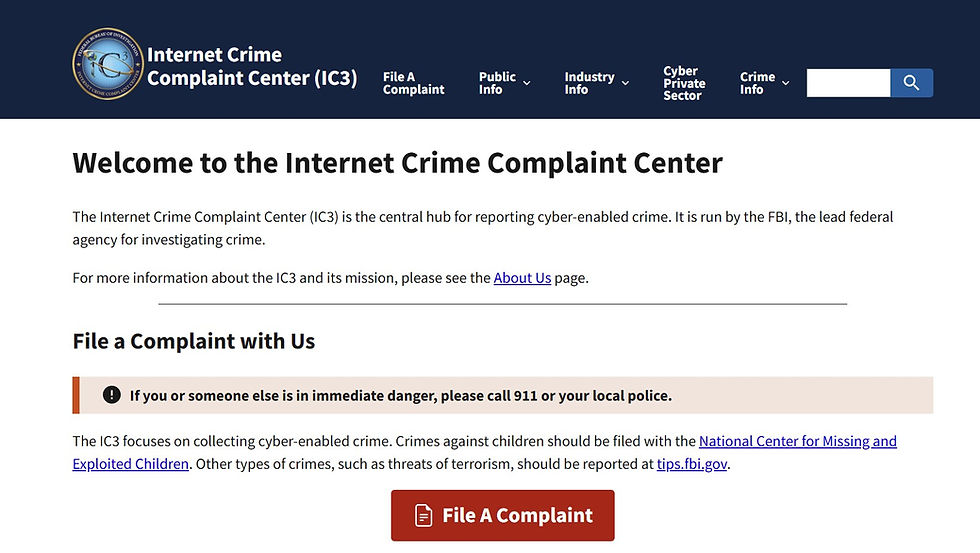
Report the incident to the Federal Bureau of Investigation (IC3)
Report to the FTC
Contact the kiosk operator immediately
Even if funds can’t be recovered, reporting helps protect others.
Why this matters to Go-Crypto
At Go-Crypto, we believe:
Victims should never be blamed
Education is the strongest form of protection
Clear information saves people from harm
Crypto itself isn’t the problem — pressure without understanding is.
Please share this guide 💛
If this has helped you, consider sharing it with:
Parents or grandparents
Friends new to crypto
Anyone who might feel pressured in a financial emergency
Sometimes one shared page is enough to help someone pause, think, and walk away.
Because the most powerful security tool isn’t technology —it’s awareness, shared with care.


Comments